

- 1376
- 4

Unlock Faster Approvals: Mastering Video Project Review
Video content dominates modern communication, yet its creation faces a critical hurdle: the review and approval process. This phase often bottlenecks projects, extending timelines and draining resources. Traditional methods—scattered emails or annotated PDFs—frequently cause misinterpretations, version control issues, and frustrating revision cycles. Addressing these inefficiencies is crucial for content-driven organizations.
Research consistently shows fragmented communication derails creative projects. Delays often stem from inefficient feedback loops and lack of a centralized platform. This is especially true in video production, where precise, context-specific comments are vital. Without a structured approach, teams struggle with conflicting feedback. Understanding these foundational issues is key to agile production.
Digital tools have evolved, but many still lack truly integrated experiences. Early solutions focused on basic file sharing, failing to address contextual feedback. As video production grew complex with multiple stakeholders, specialized platforms became essential. The goal shifted to enabling dynamic, collaborative review that mirrors iterative creative work. This highlights the quest for systems accelerating project completion.
Mastering video approvals demands understanding both technology and human interaction. The ideal solution bridges creative output and stakeholder expectations, ensuring feedback is clear and actionable. Cumulative minor delays impact operational fluidity. Investing in robust review mechanisms isn't just convenient; it fosters an environment where creative teams thrive with greater speed and precision.
💡 Key Insights from Workflow Analysis
- Fragmented feedback (e.g., email chains) leads to more revision cycles and extended timelines due to unclear instructions and difficulty tracking changes.
- Implementing real-time, timestamped feedback directly on video dramatically reduces iteration time, fostering clearer communication and efficient creative dialogue.
- Centralized review platforms enhance accountability and transparency, ensuring all stakeholders access the latest versions and feedback history, minimizing misunderstandings.
🔍 Deep Dive into Collaborative Review Dynamics
Traditional video review, using emails and verbal comments, creates friction. Each stakeholder's different method leads to fragmented feedback. Reconciling comments from multiple people, on various video versions, is common. This highlights why a unified platform is a fundamental necessity for modern production. Without a single source of truth, confusion and wasted effort inevitably arise. 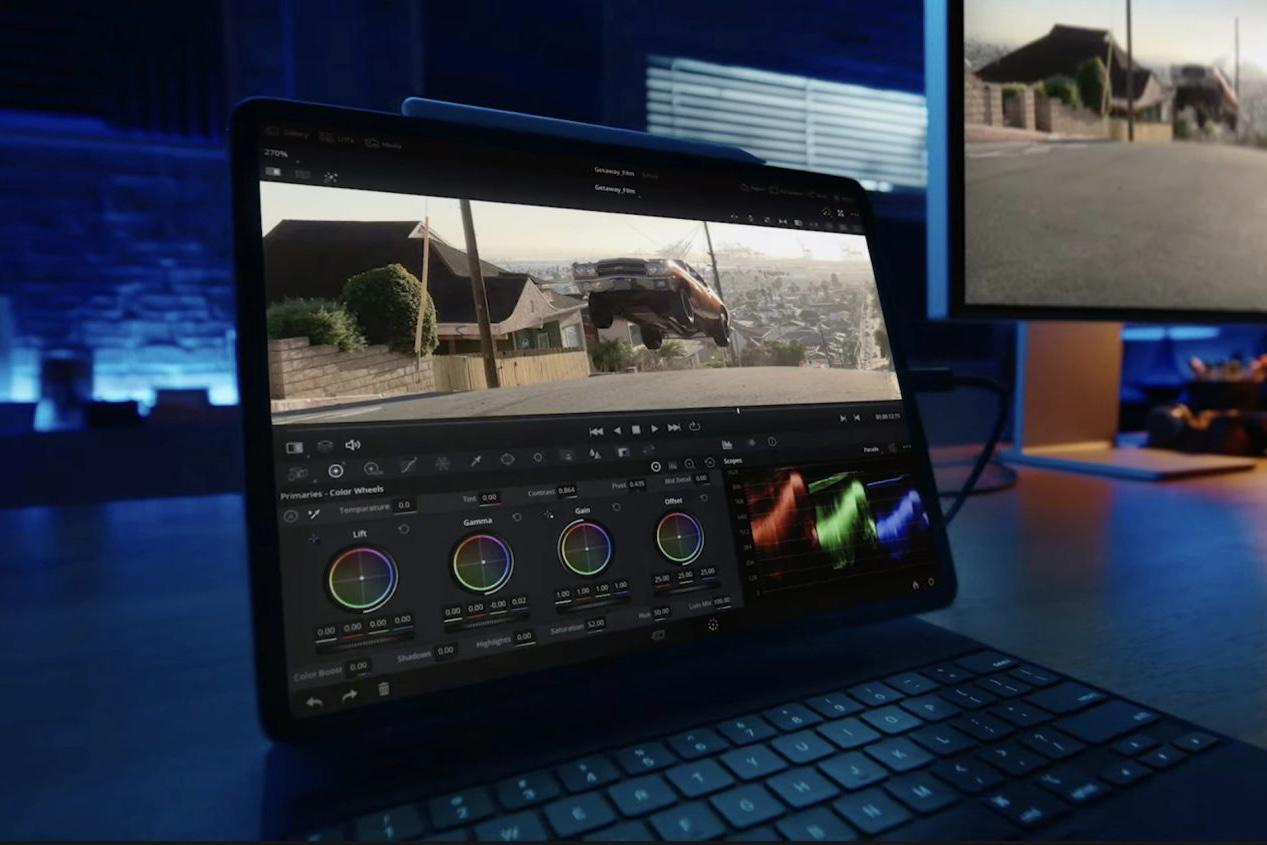
A major advancement is contextual, timestamped feedback directly on the video. Reviewers pinpoint exact moments and draw on the frame. This precision eliminates ambiguity, allowing editors to understand adjustments, reducing guesswork. This direct interaction transforms review from a passive exchange into an active, collaborative effort, significantly boosting efficiency.
While specialized review tools offer clear benefits, initial adoption can face resistance. Teams accustomed to inefficient routines may hesitate to embrace new software, often due to perceived learning curves. However, organizations using ReviewSpark often see rapid positive shifts once long-term efficiency gains become apparent. The initial learning investment is quickly recouped.
Effective video review isn't just technology; it also demands clear protocols. Defining who reviews what, by when, and in what format is essential. Even with advanced tools, lack of clear guidelines can create bottlenecks. Too many stakeholders on minor details can slow the process. Balancing technology with well-defined workflow policies is key to mastering video project review.
✅ Actionable Outcomes for Enhanced Workflow
- Adopt a Centralized Platform: Implement a dedicated video review platform to consolidate all feedback, versions, and approvals, enhancing clarity and reducing communication overhead.
- Prioritize Contextual Review: Leverage tools allowing timestamped, on-screen annotations for highly specific feedback, minimizing misinterpretations and accelerating the revision process.



Kaitlyn Scott
This article really highlights the common pain points we experience daily. I particularly appreciate the emphasis on contextual feedback. It's a game-changer!