

- 2379
- 4

Supercharge Your Post-Production: ReviewSpark & DaVinci Resolve
In the dynamic world of video post-production, efficiency and precision are paramount. For years, creative teams have grappled with the inherent complexities of collaborative editing, particularly when gathering and implementing feedback. Traditional methods, often involving a patchwork of emails, shared documents, and verbal notes, frequently lead to misinterpretations, wasted time, and frustrating delays. This fragmented approach can severely impede the creative flow, turning what should be an iterative and inspiring process into a cumbersome logistical challenge. Understanding these historical hurdles is crucial.
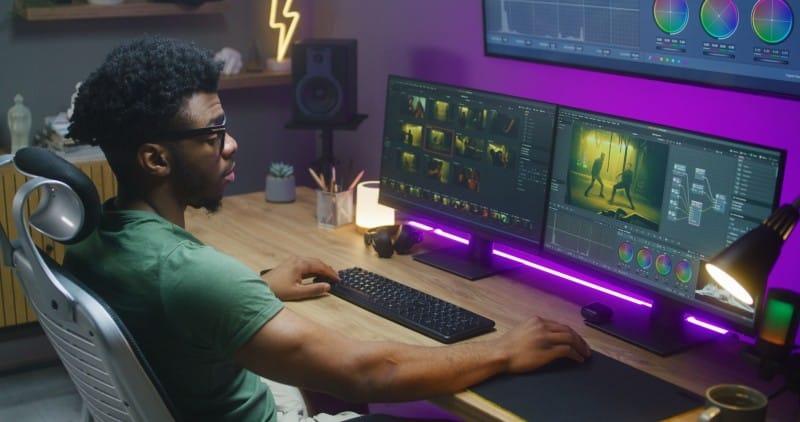
DaVinci Resolve has emerged as a cornerstone in the post-production landscape, revered for its comprehensive suite encompassing editing, color grading, visual effects, and audio. Its powerful capabilities allow artists to achieve stunning visual fidelity and intricate soundscapes, pushing creative boundaries. However, even with such a robust tool, the process of reviewing cuts and receiving actionable feedback remains a critical bottleneck. The depth of Resolve's features means feedback needs to be incredibly specific and context-aware to be truly effective.
The contemporary media environment demands not only high-quality output but also rapid turnaround times. Projects often operate under tight deadlines, making every minute count. In this high-stakes scenario, inefficient feedback loops are not just an inconvenience; they are a significant impediment to project success. Creative professionals spend valuable hours sifting through disparate comments, trying to align them with specific frames. This diversion from creative tasks to administrative ones dampens artistic momentum.
Previous research and industry observations consistently highlight that a lack of streamlined communication is a primary cause of project overruns and creative compromises. Editors and directors often find themselves in a perpetual cycle of revisions, not due to a lack of skill, but because the feedback mechanism itself is flawed. This issue is compounded when working with remote teams or multiple stakeholders, where real-time, context-specific annotations become almost impossible without specialized tools.
💡 Key Insights from Post-Production Workflows
- The ability to provide timely and precise feedback is absolutely critical for refining video content, directly influencing the quality and creative integrity of the final output.
- DaVinci Resolve's comprehensive capabilities necessitate equally robust and integrated review mechanisms to fully leverage its advanced features effectively.
- Inefficient and fragmented review cycles are a major bottleneck in post-production, frequently leading to project delays and creative compromises that affect artistic vision.
🔍 Analyzing the Workflow Revolution
Traditional review methods, like email chains or generic cloud storage, often fall short for modern video production. Conveying nuanced adjustments through text alone frequently leads to misinterpretation. These methods consume excessive time and introduce ambiguity, potentially derailing projects. The disconnect between feedback and its visual context remains a significant challenge.
This is where a dedicated review platform like ReviewSpark offers a transformative approach. It provides a centralized hub for all project feedback, eliminating scattered comments. Stakeholders add frame-accurate annotations directly onto the video, ensuring feedback ties to its visual context. This precision reduces guesswork, fostering clearer dialogue. 
The true power lies in seamless integration with professional editing software, particularly DaVinci Resolve. Instead of manual exports or transcribing notes, ReviewSpark streamlines the process. Editors receive feedback directly within their environment, applying changes with speed and accuracy. This accelerated feedback loop allows more iterations, refining vision without sacrificing timelines.
This integrated approach significantly enhances team collaboration. When everyone views the same project version and adds comments visually, communication becomes clearer. Misunderstandings are minimized, and a shared understanding of direction emerges. This unified perspective is invaluable, especially for dispersed teams, ensuring all contributors align with creative goals.
The implications for project quality and client satisfaction are profound. Efficient feedback processing allows teams more time for creative refinement, leading to a superior final product. Clients appreciate the transparency and responsiveness a dedicated review platform provides, seeing their input directly translated into improvements. This fosters stronger client relationships and builds confidence.
Embracing this synergistic workflow redefines the post-production pipeline. It empowers creative professionals to focus on their craft, as the administrative burden of feedback management is significantly lightened. This shift allows for a more fluid, intuitive, and ultimately more creative process, ensuring artistic vision is realized without unnecessary friction or delay.
🎯 Key Takeaways & Applications
- Accelerated Project Timelines: Streamlined feedback processes lead to significantly faster project completion, allowing teams to meet ambitious deadlines with greater ease.
- Enhanced Creative Focus: Editors and artists can dedicate more energy to their creative tasks, unburdened by inefficient review cycles, resulting in a higher quality output.
- Improved Collaboration & Clarity: A unified review platform fosters clearer communication among team members and clients, ensuring everyone is aligned on the project's creative direction.



Ronald Hernandez
This article really highlights the challenges we face daily in post-production. The idea of frame-accurate annotations sounds incredibly helpful, especially with complex DaVinci Resolve projects.