- 14514
- 0
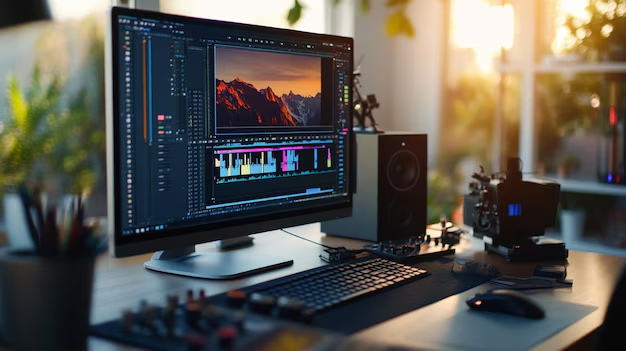
Beyond the Edit Suite: Mastering Remote Video Collaboration
The video production landscape has dramatically shifted, driven by global remote work. Traditionally, editing was an in-person activity in a physical suite. This fostered immediate feedback but posed logistical challenges for dispersed teams, necessitating flexible solutions.
Early remote collaboration faced hurdles: cumbersome file transfers, confusing version control, and delayed feedback. Slow internet and incompatible software hindered progress, extending timelines. These struggles highlighted a clear need for advanced, purpose-built solutions to bridge distance effectively.
Research then explored how digital tools could better support remote creative processes. Focus shifted to platforms handling large media files, facilitating real-time annotations, and streamlining review cycles. The aim: replicate seamless in-person interaction using cloud technology and enhanced communication.
Key Observations in Remote Video Work 💡
- Cloud-based platforms significantly reduce latency in media sharing, enabling near real-time collaboration regardless of geographical distance.
- Integrated annotation and version tracking features are crucial for clear communication, minimizing misinterpretations and accelerating feedback.
- Successful remote collaboration relies on robust project management tools, providing transparency and structure mirroring in-person oversight.
Analyzing the Collaborative Evolution 🧐
The "edit suite" has evolved from a physical room to a dynamic, virtual space. This demands tools fostering genuine human connection and creative flow, not just file transfer. Platforms must enable diverse teams to contribute seamlessly, ensuring creative vision remains intact regardless of location. Intuitive interfaces are key.
One contentious point is replicating in-person spontaneity. While digital tools offer structured feedback, capturing 'aha!' moments from a shared room remains challenging. Advanced features like live co-editing and integrated video calls aim to bridge this gap, enhancing real-time interaction for complex projects. 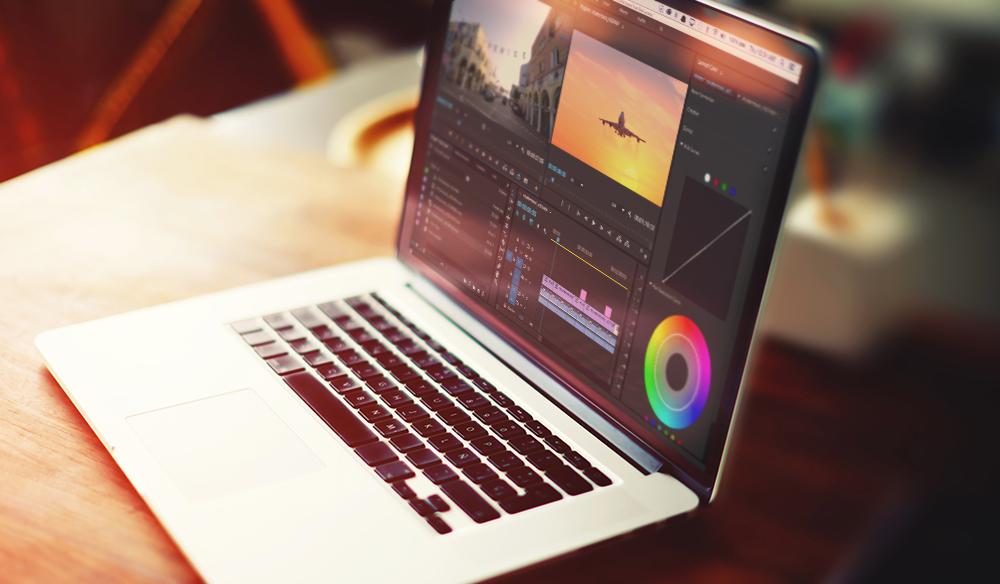
Security and data integrity for large media files are crucial. Cloud solutions must offer robust encryption and access controls, especially for sensitive projects. ReviewSpark emphasizes secure, reliable infrastructure, ensuring creative assets are protected throughout the remote collaboration lifecycle.
Feedback interpretation can differ remotely. Nuances in tone or expression might be lost without direct interaction. Comprehensive annotation tools, coupled with clear communication protocols, become vital. These tools allow for precise, contextualized feedback, minimizing misunderstandings and streamlining revisions.
Adoption of new collaboration technologies varies. Some embrace change quickly, others prefer established methods. Intuitive onboarding and comprehensive support are crucial for wider acceptance. ReviewSpark focuses on user-friendly design, making the transition to remote workflows smooth and productive for all.
Future Directions and Applications 🚀
- Global Team Integration: Remote tools enable creative professionals worldwide to collaborate seamlessly, expanding talent pools and fostering diverse perspectives.
- Accelerated Project Timelines: Streamlined feedback and version control significantly reduce revision cycles, moving projects from concept to completion more efficiently.
- Enhanced Operational Flexibility: Companies can adapt readily to changing circumstances, supporting hybrid work models and ensuring business continuity without compromising creative output.